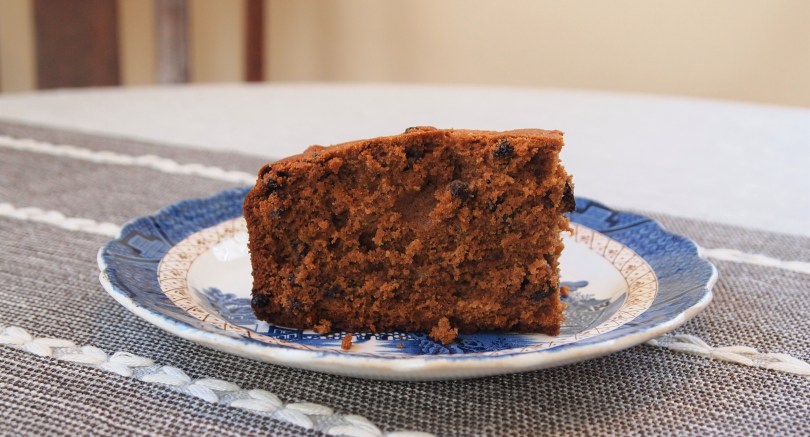
To make Ginger-bread

I’m always fascinated by recipes that pop up over and over again throughout different cookbooks. Early cookbook authors copied from one another extensively, frequently reprinting recipes from other cookbooks word-for-word or with only a few minor alterations. The copied recipes are almost never attributed to their original authors, a practice that would be considered plagiarism today but was common at the time. I’ve found this exact gingerbread recipe in three 18th and 19th century cookbooks so far, and wouldn’t be surprised if it turns up in more.

Read More »
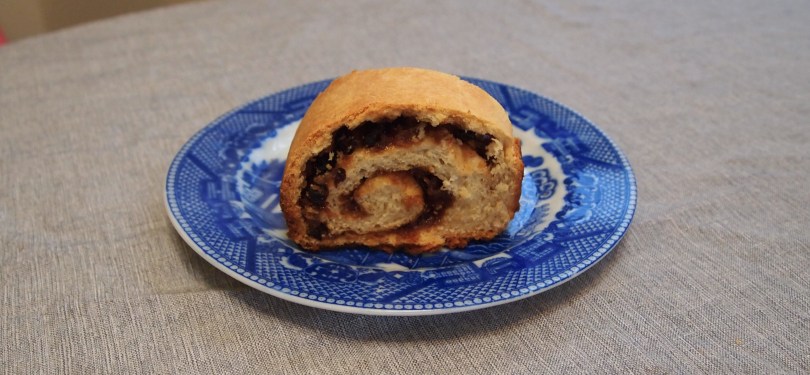
Spice Roll

This recipe comes from The Settlement Cookbook, first published in 1901. The book was initially created as a charity cookbook to raise funds for the Jewish Settlement House in Milwaukee, Wisconsin, and was so successful that the proceeds of the first two editions were enough to purchase a site for the new Settlement House. The cookbook presents a variety of recipes influenced by German, Eastern European, and Jewish cooking, reflecting the culinary traditions of the immigrants served by the Settlement House.

Read More »

Broonie

Broonie is a traditional oatmeal gingerbread from the Orkney Islands in Scotland. This particular recipe comes from the folklorist F. Marian McNeill, who collected traditional recipes for her 1929 book The Scots Kitchen. Although she collected recipes from all over Scotland (I made another of her gingerbread recipes in this post), she was born and raised in Orkney, so broonie may have been familiar to her from her childhood.

Read More »

Sour Milk Ginger Bread

This gingerbread comes from Foods That Will Win the War, a pamphlet and recipe book instructing cooks how to save food during World War I. Although the United States never had official rationing during the first World War, the U.S. Food Administration ran an aggressive propaganda campaign urging Americans not to waste food, especially wheat, meat, fats, and sugar. Gingerbread was perfect for this, since the use of molasses as a sweetener means that it can be made without any added sugar at all.

Read More »