
These cute little pastries are another recipe from Charles Elmé Francatelli, who was briefly the personal chef to Queen Victoria. I can definitely picture the queen snacking on these!
Read More »
These cute little pastries are another recipe from Charles Elmé Francatelli, who was briefly the personal chef to Queen Victoria. I can definitely picture the queen snacking on these!
Read More »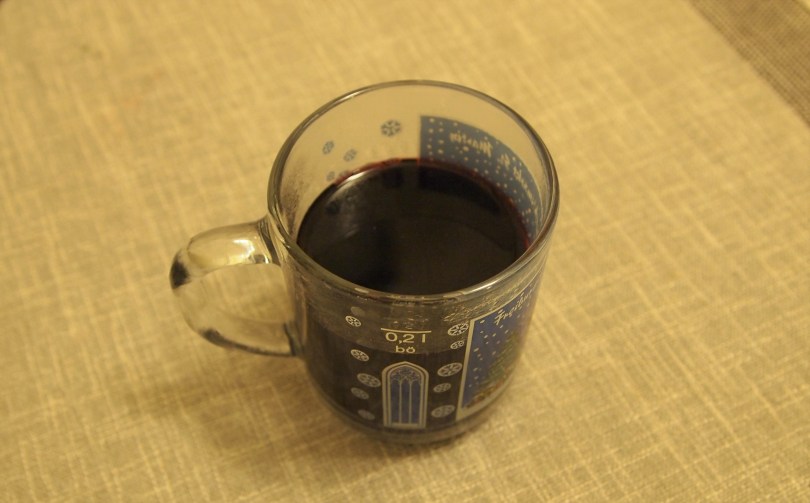
“ ‘He has given us plenty of merriment, I am sure,’ said Fred, ‘and it would be ungrateful not to drink his health. Here is a glass of mulled wine ready to our hand at the moment; and I say, “Uncle Scrooge!”…a Merry Christmas and a Happy New Year to the old man, whatever he is!’ ” -Charles Dickens, A Christmas Carol, 1843.
Read More »
Eliza Acton, one of the first authors to provide a recipe for a specifically “Christmas” pudding, actually included 3 different recipes for Christmas puddings in her encyclopedic work, Modern Cookery in all its Branches. This one, titled “The Author’s Christmas Pudding,” is evidently her own recipe; she calls it a “remarkably light small rich pudding.”
Read More »
This gingerbread comes from Foods That Will Win the War, a pamphlet and recipe book instructing cooks how to save food during World War I. Although the United States never had official rationing during the first World War, the U.S. Food Administration ran an aggressive propaganda campaign urging Americans not to waste food, especially wheat, meat, fats, and sugar. Gingerbread was perfect for this, since the use of molasses as a sweetener means that it can be made without any added sugar at all.
Read More »
Queen cakes, popular in the 18th and 19th centuries, were little cakes usually baked in fancy molds. I was drawn to this particular recipe, from Eliza Leslie’s 1828 book Seventy-Five Receipts for Pastry, Cakes, and Sweetmeats, because it seemed especially fancy. Although queen cakes could be made any time of year, Leslie suggests decorating these with red and green nonpareils, which made me think they would be perfect for Christmas.
Read More »
These simple Christmas cookies may look ordinary, but they contain an unusual ingredient…hard-boiled egg yolks!
Read More »
I rediscovered this recipe from my great-great-grandmother thanks to a bit of internet serendipity.
Read More »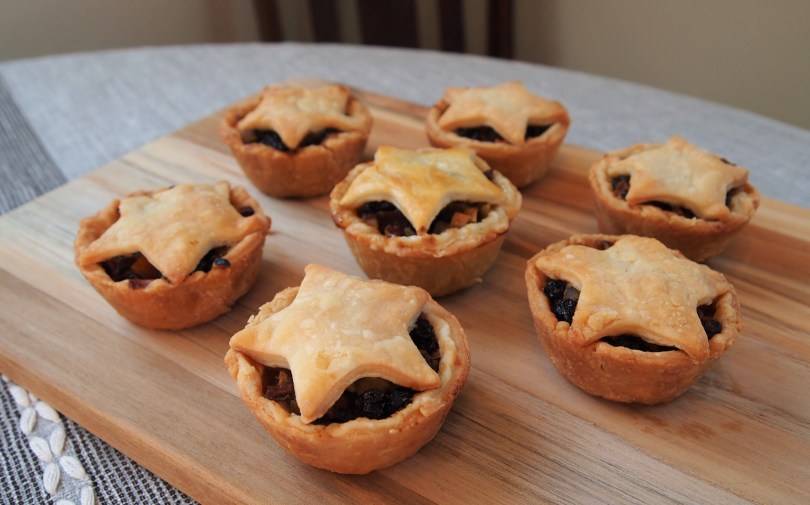
I still remember my first-ever mincemeat pie, served on Christmas Day at the Charles Dickens Museum in London. It tasted warm and Christmas-y, the perfect treat after a cold trek across the city in the snow. Since then, my mind has associated mincemeat pies with a Dickensian, Victorian Christmas – but mincemeat pies actually go back much farther than that.
Read More »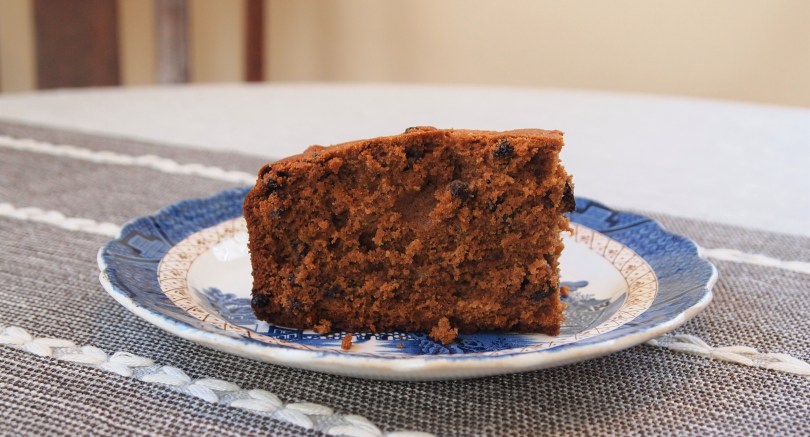
This traditional gingerbread from the town of Fochabers, Scotland, is packed with all sorts of goodies, including fruit, spices, and almonds. The most unusual ingredient, however, is beer.
Read More »
Compared to other 18th century soups, which almost always seem to include some obscure meats or animal parts and take hours to make, this is a relatively easy and inexpensive recipe from Elizabeth Raffald’s 1769 book The Experienced English Housekeeper.
Read More » History in the Making