
This recipe comes from The Woman Suffrage Cook Book, a fundraising cookbook first sold at the 1886 Woman Suffrage Festival and Bazaar in Boston to raise money for the Massachusetts Woman Suffrage Association.
Read More »
This recipe comes from The Woman Suffrage Cook Book, a fundraising cookbook first sold at the 1886 Woman Suffrage Festival and Bazaar in Boston to raise money for the Massachusetts Woman Suffrage Association.
Read More »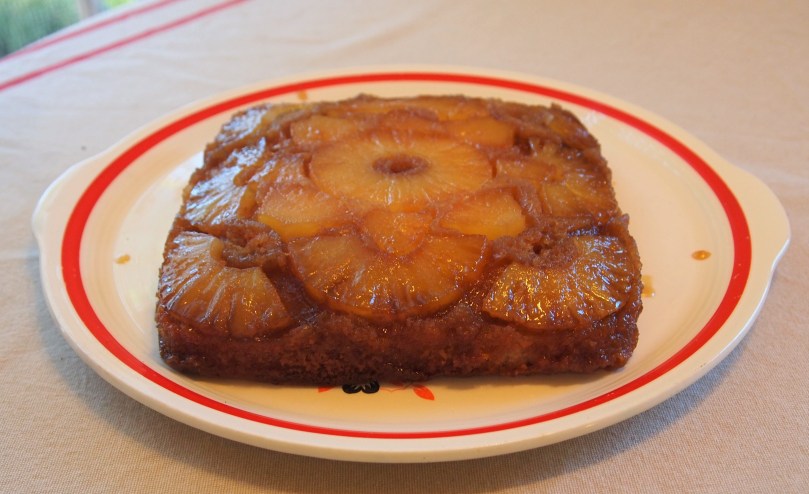
Although canned foods were commercially available in America as early as the 1820s, for many years canned foods were considered tasteless at best, and potentially hazardous at worst. Cooks who did use canned foods were often criticized as being lazy. By the 1930s, however, that reputation had completely reversed, as canning technology improved and efficiency and economy were prized. Cheaper canned goods brought expensive foods such as pineapple within the reach of ordinary Americans. The Good Housekeeping Institute promoted canned foods in quick dishes to make for company, such as in this 1933 recipe for pineapple upside down cake.
Read More »
Fruit vinegars, also known as shrubs, were a popular way to conserve fruit in the 19th century. This version comes from Catharine Beecher, an educator, writer, and social activist, and older sister of Harriet Beecher Stowe.
Read More »
This super quick, super easy recipe comes from War Economy in Food, a recipe booklet published by the U.S. Food Administration during World War I. The macaroons use oats and corn syrup to reduce the amounts of wheat and sugar used. In addition to saving wheat and sugar, the recipe also saves on time and dishwashing – it only uses one bowl, and only takes about 20-25 minutes from start to finish!
Read More »
For Queen Victoria’s birthday, I decided to try out one of many, many recipes named for her. This recipe for Victoria Buns comes from Isabella Beeton – the same author who published the first known recipe for Victoria sandwiches, a much more famous dish also named after Queen Victoria.
Read More »
From The Economical War-Time Cook Book, this recipe was designed to save white flour during World War I, substituting rye, wheat, and cornmeal instead. Although the United States never had official rationing during the first World War, Americans were still urged not to waste food, especially wheat, meats, fats, and sugar. Corn, “the food of the nation,” was promoted in particular as an economical alternative to flour.
Read More »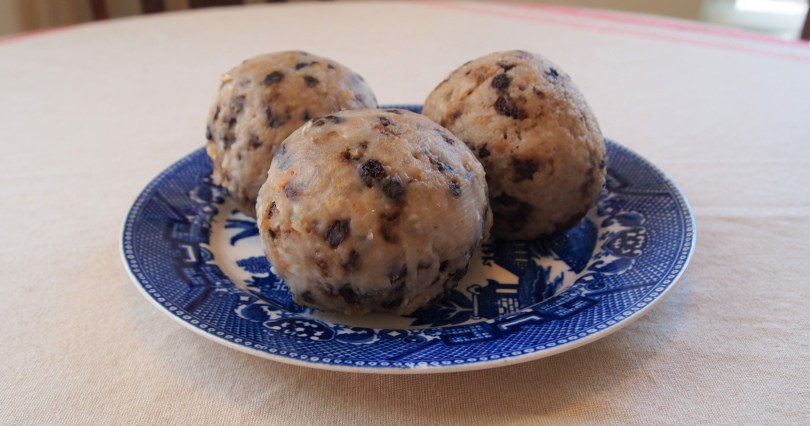
In the 18th century, naming foods after celebrities and political figures was still relatively rare. The practice became much more common in the 19th century, particularly with the myriad of foods named after Queen Victoria and Prince Albert. This recipe from Susanna Maciver stood out to me as an unusual example of an 18th century recipe named after a politician: Sir Robert Walpole.
Read More »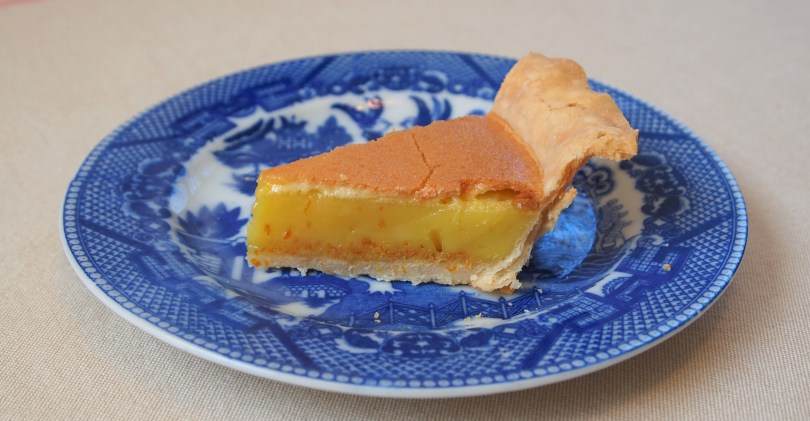
18th century cookbook authors tended towards hyperbole, but this recipe title from Mary Kettilby really takes the cake (or pudding).
But is it really the best orange pudding that ever was tasted? I finally got my hands on some Seville oranges, so it’s time to find out!
Read More »
Victorian cooks hated to waste food, and had all sorts of creative ways to use up leftovers. This super simple one-sentence recipe is an excellent way to use up leftover sponge cake (or, in my case, to use up a failed pound cake that didn’t rise properly. It’s not a failure if you can turn it into something else!). It works on the same principle as a custard-based bread pudding, just using cake instead of bread.
Read More »
“Creams” were a popular 18th century dessert, similar to a custard or flummery. Nearly every 18th century cookbook I’ve seen contains at least a few recipes for different flavors of cream. This pistachio-flavored version comes from the cookbook of John Farley, who was the head cook at the London Tavern, a popular tavern and meeting place during the 18th and 19th centuries.
Read More » History in the Making