
This Magic Lemon Cream Pie came in handy during a recent visit to my parents’ house – their oven was broken, so this no-bake recipe saved the day!
Read More »
This Magic Lemon Cream Pie came in handy during a recent visit to my parents’ house – their oven was broken, so this no-bake recipe saved the day!
Read More »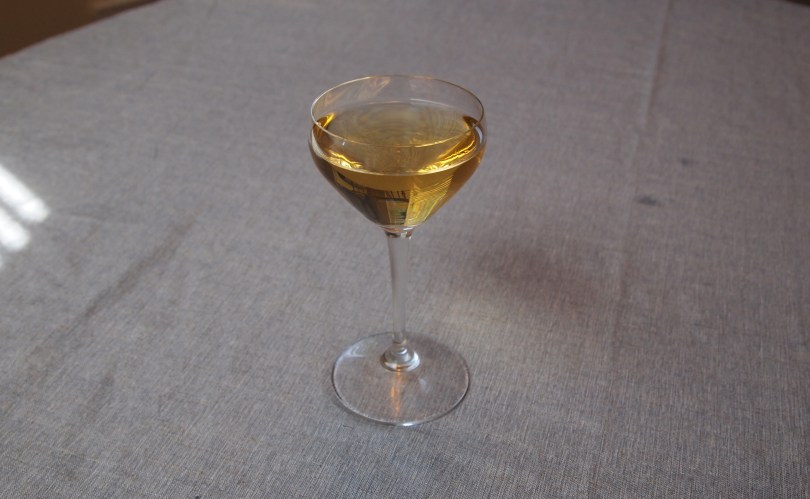
Homemade cordials, usually a mixture of distilled liquor and fruit or other flavors, were popular in America from the 17th through the 19th centuries. They were used both for medicinal purposes and to drink simply for pleasure. While in the later 19th century commercially-made cordials became popular for use in cocktails, earlier cordials like this 1828 recipe would have been served on their own as after-dinner digestives.
Read More »
This recipe comes from the 1912 edition of Lowney’s Cook Book, so far my favorite cookbook in my growing collection of vintage books. I was lucky enough to happen across it at an antique fair near my town. Although the book has been digitized and is available online, there’s something magical about handling an original copy.
Read More »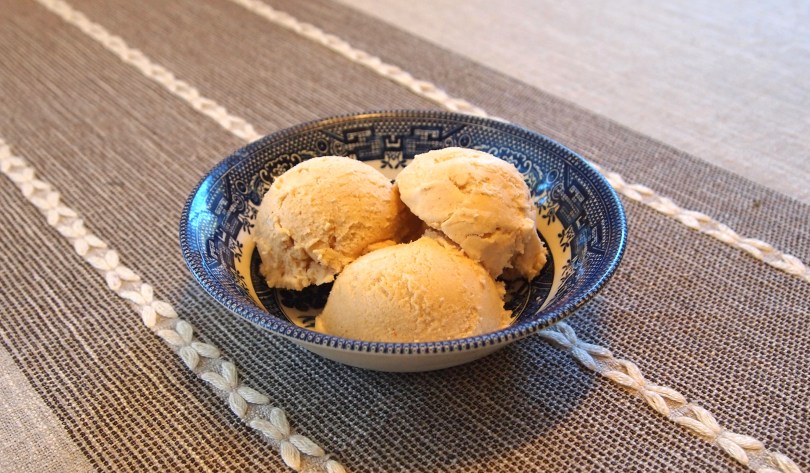
Before the invention of the hand-cranked ice cream freezer in 1843, making ice cream was a time-consuming and laborious task.
Read More »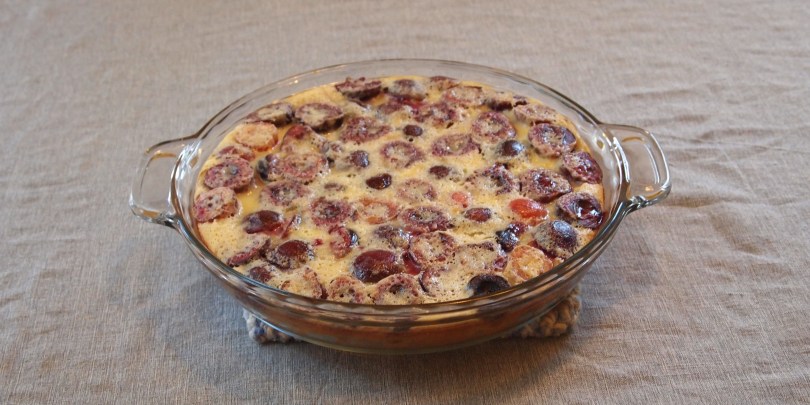
Read More »“When we had done, he brought me a pudding, and having set it before me, seemed to ruminate, and to become absent in his mind for some moments.
‘How’s the pie?’ he said, rousing himself.
‘It’s a pudding,’ I made answer.
‘Pudding!’ he exclaimed. ‘Why, bless me, so it is! What?’ looking at it nearer. ‘You don’t mean to say it’s a batter-pudding!’
‘Yes, it is indeed.’
‘Why, a batter-pudding,’ he said, taking up a table-spoon, ‘is my favourite pudding! Ain’t that lucky? Come on, little ‘un, and let’s see who’ll get most.’”
-Charles Dickens, David Copperfield, 1850.
David Copperfield

This recipe comes from the delightfully-named 1911 book The Woman’s Book: Contains Everything a Woman Ought to Know. In addition to the expected sections on cooking, household management, and the care of children and pets, the book also contains some very progressive (for the time) chapters on careers for women. These outline the types of careers open to women, discuss the training and education needed for each career, and even note what salary to expect.
Read More »
This recipe comes from the Kitchen Army Nutrition and Receipt Book, a World War II-era book published by the Sydney Nutrition Committee of Sydney, Nova Scotia. The cookbook was written “to improve nutrition of Canadians and to emphasize its importance in the national war effort.”
Read More »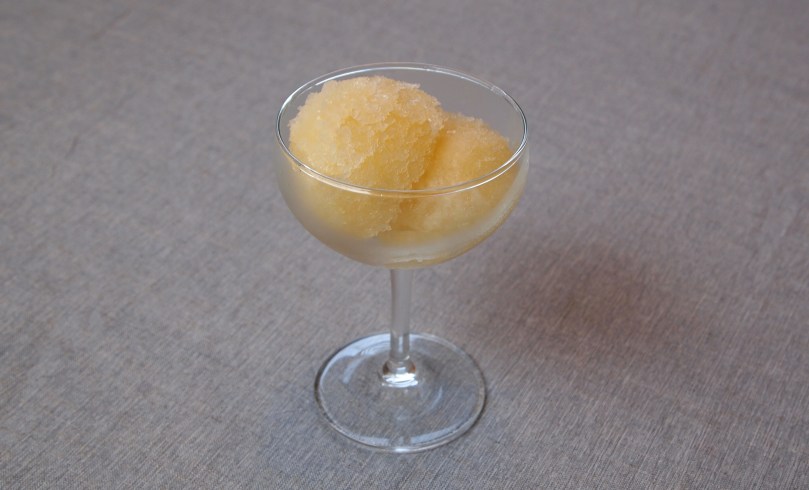
Last year, I started a tradition of making something named after Queen Victoria on her birthday, May 24. So far I have made Victoria Sandwiches and Victoria Buns, both recipes from Isabella Beeton. This year, I’m breaking the Mrs. Beeton-baked-goods trend and trying out a frozen punch recipe from American author Fannie Merritt Farmer instead.
Read More »
One of my favorite things about Isabella Beeton’s 1861 cookbook, The Book of Household Management, is that she lists practical information about the cost, time to make, serving size, and season for each recipe. Knowing the season was especially important; although some fruits and vegetables could be grown in greenhouses all year, others were only available for short windows of time. Even today, that’s still the case with rhubarb, which in my area at least only appears for a few brief weeks in late spring. To make this recipe, I started haunting my grocery stores and local farmers’ markets at the start of April, checking constantly for the first sign of rhubarb’s bright red stalks. Somehow, the excitement of finally finding it after weeks of waiting feels much more gratifying than if I had been able to get it all year round.
Read More »
Last year, I made an 18th-century recipe for a hedgehog, a popular dessert in which an almond paste was formed into the shape of a hedgehog and stuck with almond slices to resemble spines. The idea of the hedgehog-shaped dessert survived into the 19th century, but later recipes started using a cake as the base of the hedgehog instead. This recipe, from Addison Ashburn’s 1807 cookbook The Family Director, calls for either a sponge cake or a French roll as the hedgehog base. The base is then soaked in wine and brandy and surrounded by custard, making this version just as decadent as its 18th-century predecessors.
Read More » History in the Making