
“‘This wonderful invention, sir,’ said Mark, tenderly patting the empty glass, ‘is called a cobbler. Sherry cobbler when you name it long; cobbler, when you name it short.'” – from Martin Chuzzlewit, Charles Dickens, 1844
Read More »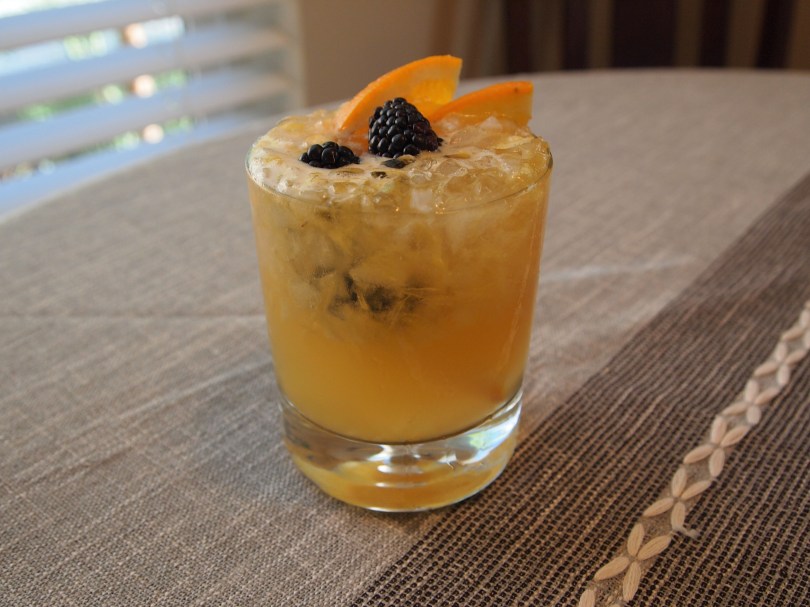
“‘This wonderful invention, sir,’ said Mark, tenderly patting the empty glass, ‘is called a cobbler. Sherry cobbler when you name it long; cobbler, when you name it short.'” – from Martin Chuzzlewit, Charles Dickens, 1844
Read More »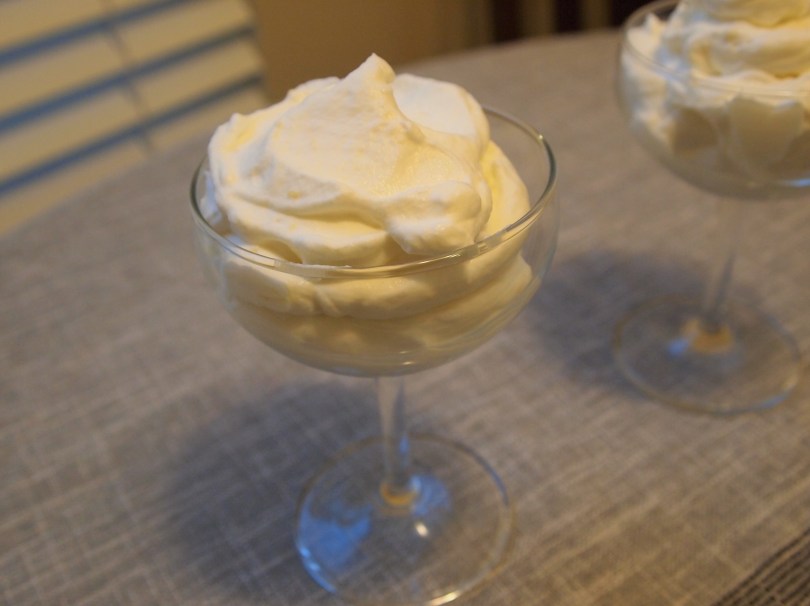
This is another version of syllabub from Hannah Glasse’s The Art of Cookery, Made Plain and Easy. Although it contains the same basic ingredients as Whipped Syllabub, this version gives up all pretense of being a drink and commits fully to being a dessert. It’s basically alcoholic whipped cream, eaten with a spoon.
Read More »
Macaroni and cheese was one of my favorite foods as a kid. Growing up, it never occurred to me that my favorite comfort food might have historic origins. However, macaroni and cheese dates back to at least the Middle Ages, and became popular in Europe and America during the 18th and 19th centuries. I decided to try Eliza Acton’s macaroni and cheese recipe from her 1845 cookbook Modern Cookery in all its Branches to see what historic macaroni and cheese would’ve tasted like.
Read More »
This simple pattern for driving mitts comes from the 1838 edition of The Workwoman’s Guide and is described as “very useful for gentlemen or coachmen.” In the 1830s, of course, “driving” referred to horse-drawn vehicles, so the mitts are ingeniously designed to be thinner across the palms so that the wearer could easily hold the reins.
Read More »
Finding historic muffin recipes is always a bit confusing, as no one seemed to be able to agree on the term “muffin” throughout history.
Read More »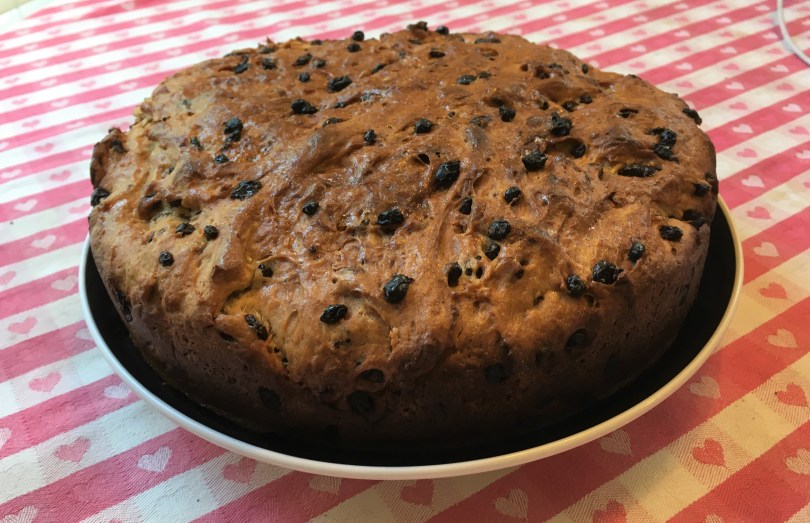
This recipe originally comes from Robert May’s The Accomplisht Cook, or, the Art and Mystery of Cookery, published in 1660. I used a modernized version from A Taste of History: 10,000 Years of Food in Britain, which reduces the size of the original from a twenty-pound monstrosity to a cake capable of being baked in a 9-inch tin.
Read More »
I found this cookie recipe in Eliza Acton’s 1845 book Modern Cookery, In All Its Branches (available from archive.org). I wanted to try it because a) I love gingerbread and b) the combination of ingredients (shredded coconut, rice flour) seemed unusual.
Read More »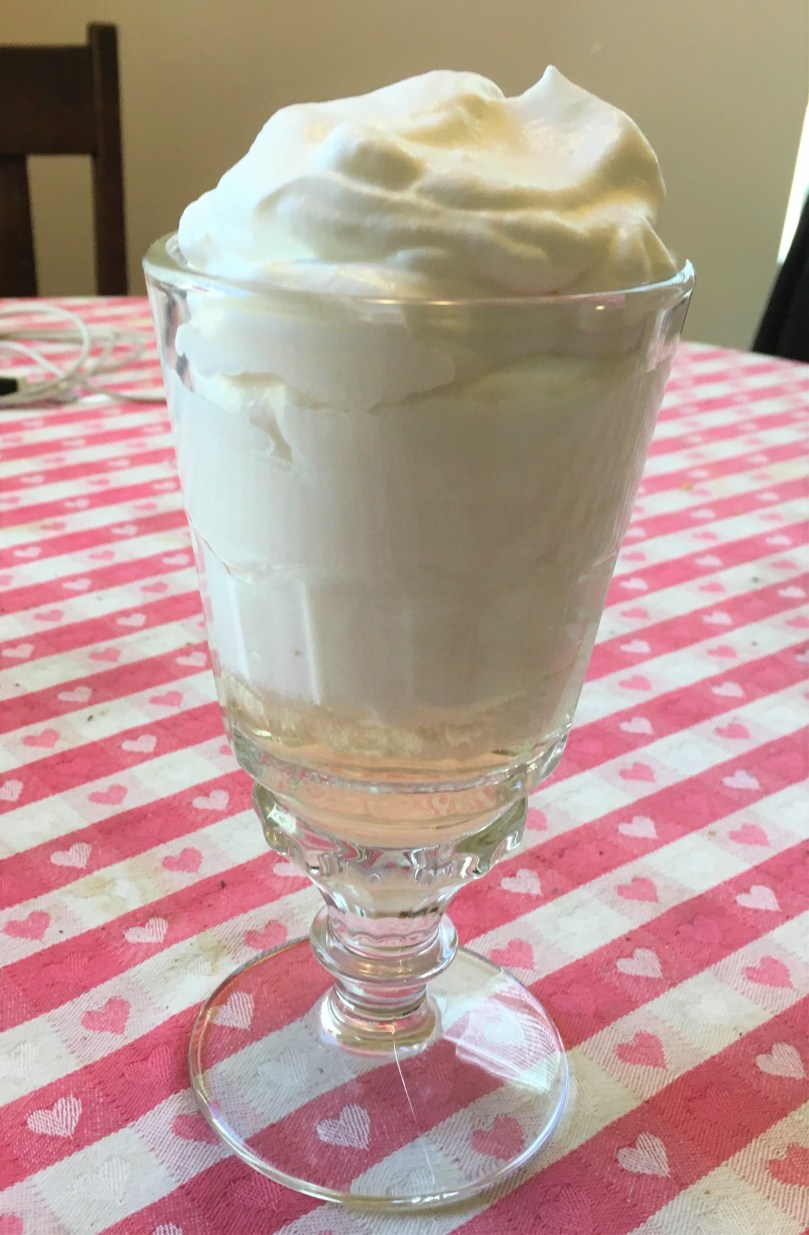
Syllabub was a popular dessert drink in England from the 16th to the mid-19th century. There are a few different ways to make it; in early versions, a cow was milked directly into the mixture to make it foamy.
Since I am lacking a cow, I’ll be making whipped syllabub, a variation from Hannah Glasse’s 1747 book The Art of Cookery Made Plain and Easy. The whole book is available on archive.org. The full title of her book, by the way, is The Art of Cookery, Made Plain and Easy: Which Far Exceeds Any Thing of the Kind Ever Yet Published. So modest. So humble.
Read More » History in the Making