
This 1930’s coffee cake combines all the things I’ve loved about the other coffee cakes I’ve tried: it’s made with coffee and it’s good to eat with coffee!
Read More »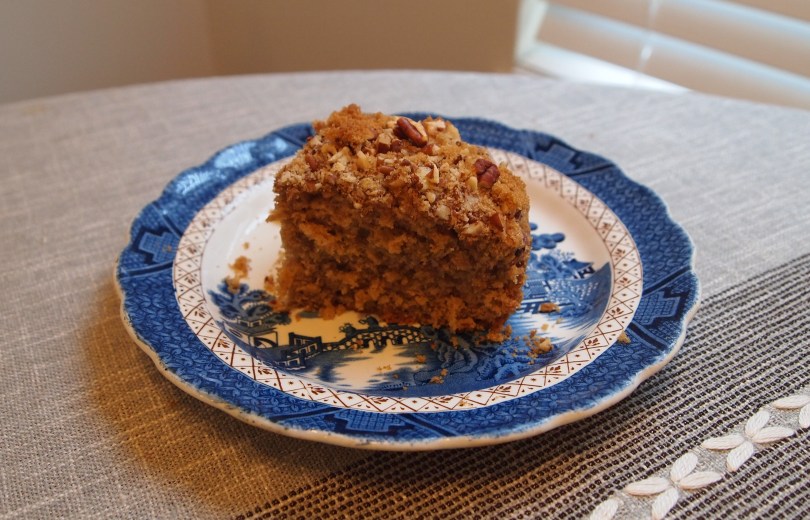
This 1930’s coffee cake combines all the things I’ve loved about the other coffee cakes I’ve tried: it’s made with coffee and it’s good to eat with coffee!
Read More »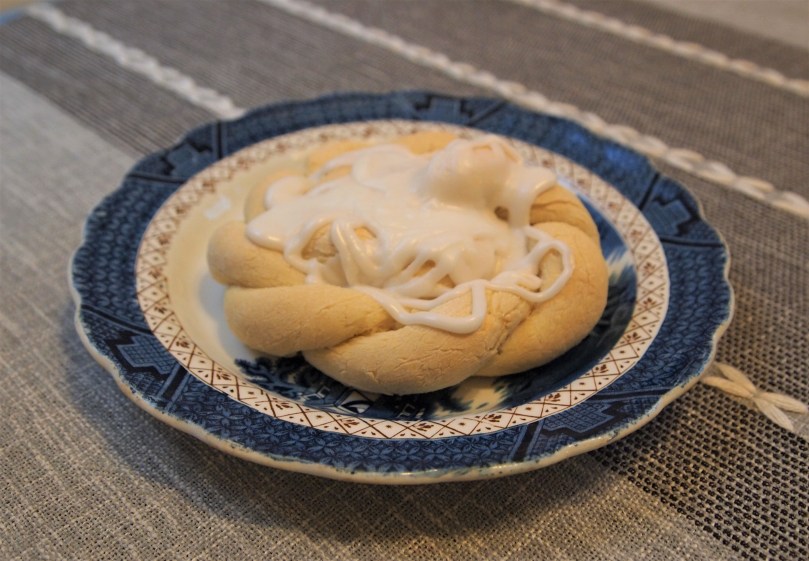
After having such success making a 1940s orange coffee cake last week, I thought I’d try my hand at making coffee cakes from the 1902 Mrs. Rorer’s New Cook Book. Unfortunately, this attempt was not successful…whether it was the fault of an over-complicated recipe, using too many substitutions, or just my general ineptitude, I’m not sure. Read on to find out how NOT to make coffee cakes.
Read More »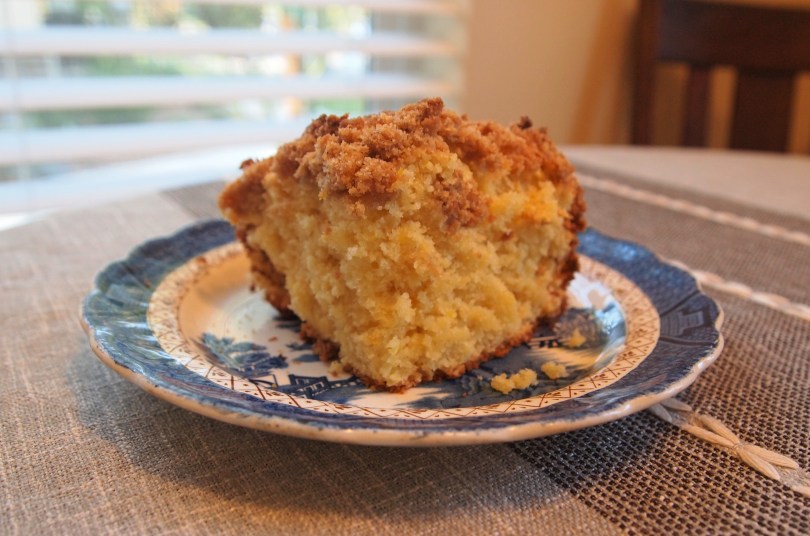
This coffee cake recipe comes from Sunkist Orange Recipes for Year-Round Freshness, a 1940 advertising pamphlet for Sunkist oranges. Every single recipe in the booklet contains oranges in some shape or form – and every page contains eye-popping bright orange illustrations.
Read More »
The term “coffee cake” started appearing in print during the 19th century, but it didn’t always refer to the type of coffee cake we would recognize today. Early coffee cake recipes could be for any type of bread, pastry, or cake that could be consumed with coffee…or, like in this recipe from 1877, they might actually be made with coffee.
Read More »
Thomas Dawson’s 16th century recipe for custard is, like many recipes of the time, a little short on details.
Read More »
This medieval recipe for a green sauce comes from Ashmole manuscript 1439, written around the year 1430.
Read More »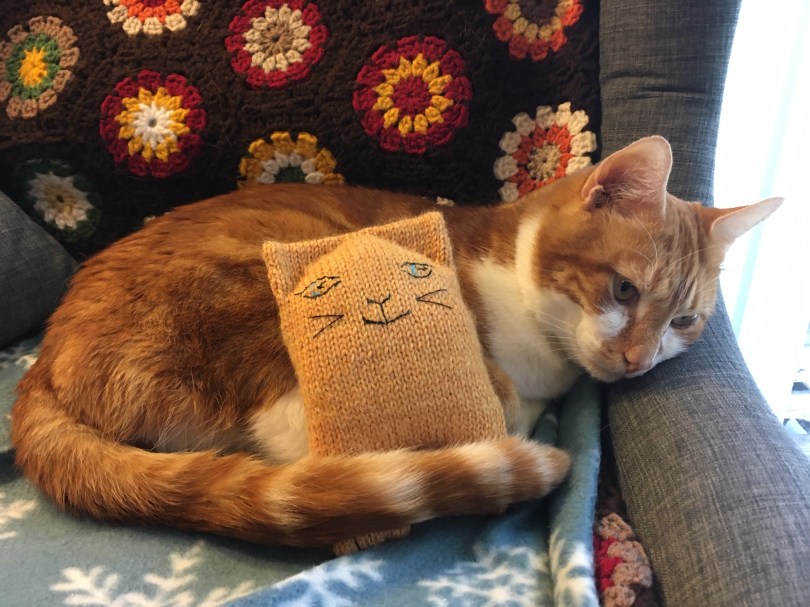
This simple cat pattern was published in an Australian newspaper in 1929 and claims to make a “useful, lasting toy.”
Read More »
This recipe for baked apples, from William Henderson’s 1828 cookbook Modern Domestic Cookery, presumably takes its name from its appearance. Once covered in meringue (which the recipe calls icing), the apples do look a lot like giant snowballs.
Read More »
The confusingly-named Welsh rarebit or Welsh rabbit contains no rabbit whatsoever and may not have originated in Wales. It usually consists of cheese melted and poured over toast, although there are many variations in the other toppings. The first recorded use of the term “Welsh rabbit” dates back to 1725, but similar toasted cheese dishes were popular as early as the 14th century. Lexicographer John Ayto suggests that the name “Welsh rabbit” came about in Britain in the 17th and 18th centuries, when calling something “Welsh” was a derogatory epithet meaning “inferior” or “of poor quality.” Thus, the name “Welsh rabbit” was a joke – “Welsh rabbit” was inferior because the dish did not actually contain any rabbits.
Alternatively, the dish might have been attributed to the Welsh simply because they had a reputation for loving cheese.
Despite the debates over its name and origins, Welsh rabbit or rarebit remained popular for centuries. This particular recipe comes from 20th century media mogul William Randolph Hearst, who was passionately fond of Welsh rarebit. Various family members, friends, and guests of Hearst’s recalled that he frequently served Welsh rarebit as a late-night snack. Although he employed a large kitchen staff, he took great pride in always making the Welsh rarebit himself.
Read More »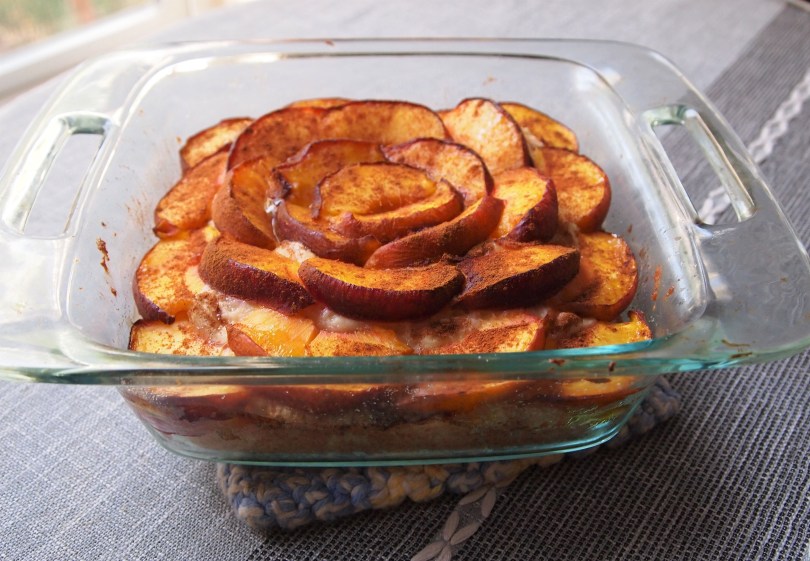
I was intrigued by the title of Amelie Langdon’s 1903 cookbook, Just for Two: A Collection of Recipes Designed for Two Persons. Many historic recipes I come across seem to be portioned for an army of twenty, forcing me either to reduce the amounts or to eat leftovers for days. It’s refreshing to see recipes sized for only two people.
Read More » History in the Making