
Parkin is a type of oatmeal gingerbread traditionally made in northern England for Bonfire Night celebrations on November 5th.
Read More »
Parkin is a type of oatmeal gingerbread traditionally made in northern England for Bonfire Night celebrations on November 5th.
Read More »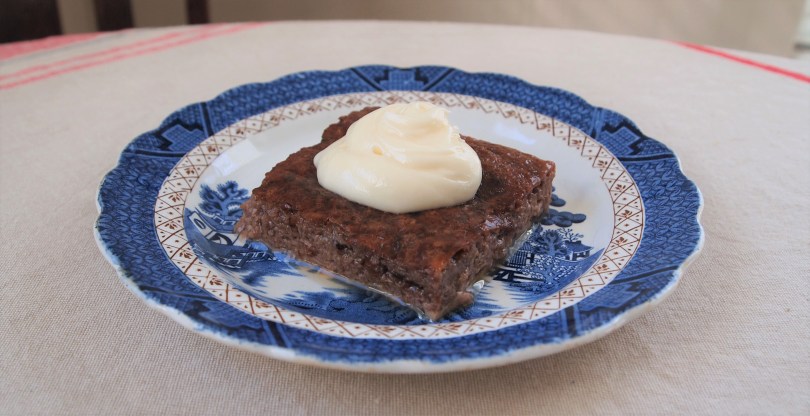
Fannie Merritt Farmer’s The Boston Cooking School Cook-Book was an instant best seller when it was first published in 1896, and remains in print to this day. Called “The Mother of Level Measurements,” Farmer was known for her insistence on accurate measurements, unusual in a time when many recipes used vague quantities such as a “heaping spoonful” or a “handful.”
Read More »
This recipe comes from Patrick Lamb’s 1710 cookbook, Royal Cookery, or the Complete Court-Cook. Patrick Lamb served as the master-cook to a succession of British monarchs, starting with King Charles II in 1683 and ending with Queen Anne in 1708. In addition to recipes, his book provides table layouts for some of the elaborate feasts he served at court – including coronation feasts, which he would have needed to prepare three times over the course of his career for three different monarchs.
Read More »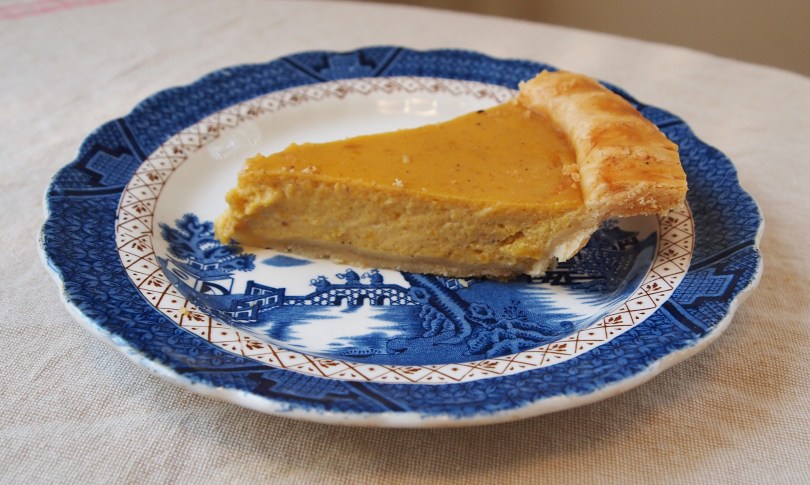
This recipe, one of the first published recipes for pumpkin pie, comes from Amelia Simmons’ 1796 cookbook American Cookery, the first cookbook written by an American to be published in the United States.
Read More »
Madeleines are tiny Genoese sponge cakes that get their distinctive shape from special shell-shaped baking molds. While the exact origin of the name “madeleine” is uncertain, it is known that the little cakes most likely originated in France sometime in the 18th century.
Read More »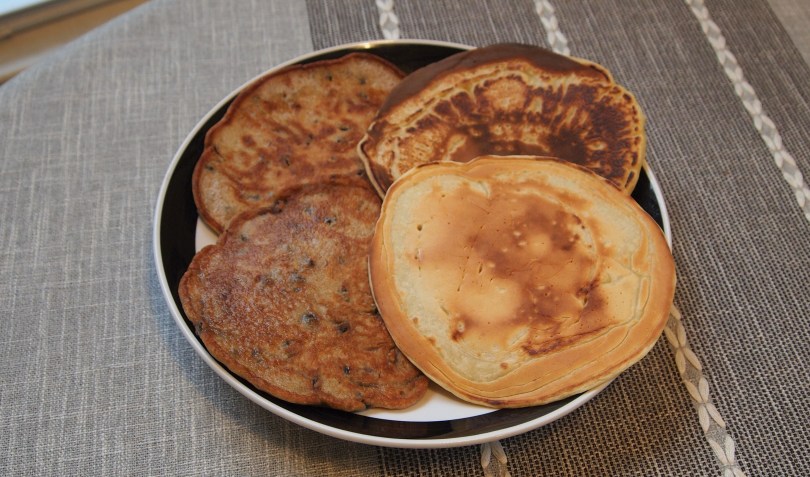
Nearly every culture throughout history has had some form of pancake. After all, food doesn’t get much simpler than cooking batter in a pan. Pancake recipes are often difficult to find in early cookbooks, however; pancakes were so simple and easy to make that the instructions often weren’t written down.
Read More »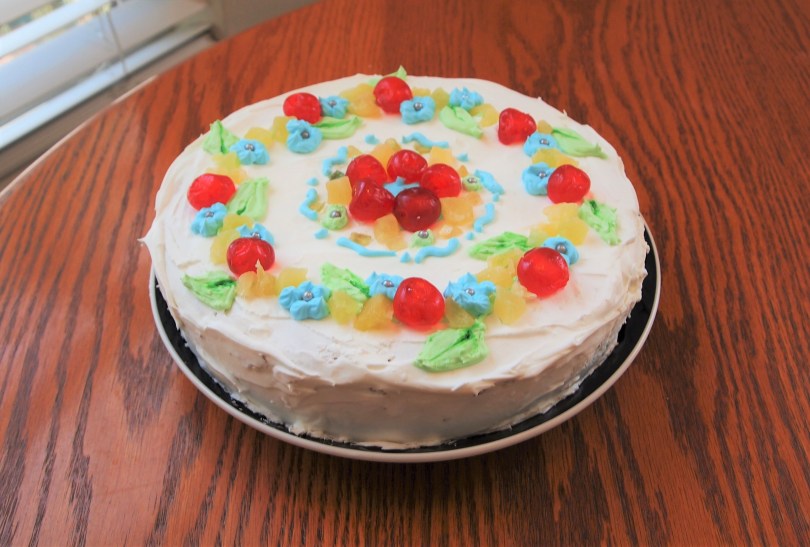
After playing a game of tennis in a corset and heavy skirts, who wouldn’t want to eat cake?
Read More »
Will Rogers, the “cowboy philosopher,” was a man of many talents: actor, cowboy, newspaper columnist, and humorist. After settling his family on a ranch in California, he also became a beloved local figure in Beverly Hills; in 1926, he was briefly declared the honorary mayor. Naturally, when the Beverly Hills Woman’s Club produced a community cookbook, they asked him to contribute an introduction. He did – along with two recipes of his own.
Read More »
Lamington cakes, an Australian favorite, are named after either Lord Lamington, governor of Queensland from 1896 to 1901, or his wife, Lady Lamington. Lamingtons are beloved enough that they are celebrated by an Australian Lamington Appreciation Society and have an official holiday, National Lamington Day, on July 21st.
Read More »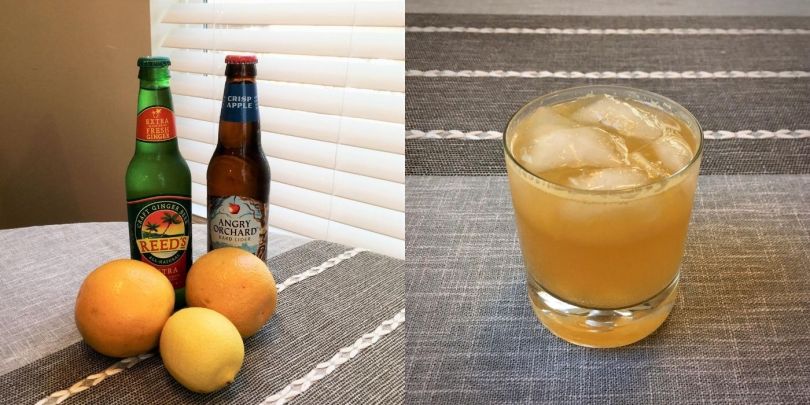
This punch recipe comes from Henrietta Nesbitt’s The Presidential Cookbook: Feeding the Roosevelts and Their Guests. Mrs. Nesbitt served as Franklin and Eleanor Roosevelt’s housekeeper in the White House for 13 years. She writes in her chapter on teas and punches that two hundred guests would be considered a small tea party for Eleanor Roosevelt – many White House teas would include over a thousand guests. “When the guest list reaches the thousand mark…the only solution is fruit punch, and plenty of it.”
Read More » History in the Making