
I rediscovered this recipe from my great-great-grandmother thanks to a bit of internet serendipity.
Read More »
I rediscovered this recipe from my great-great-grandmother thanks to a bit of internet serendipity.
Read More »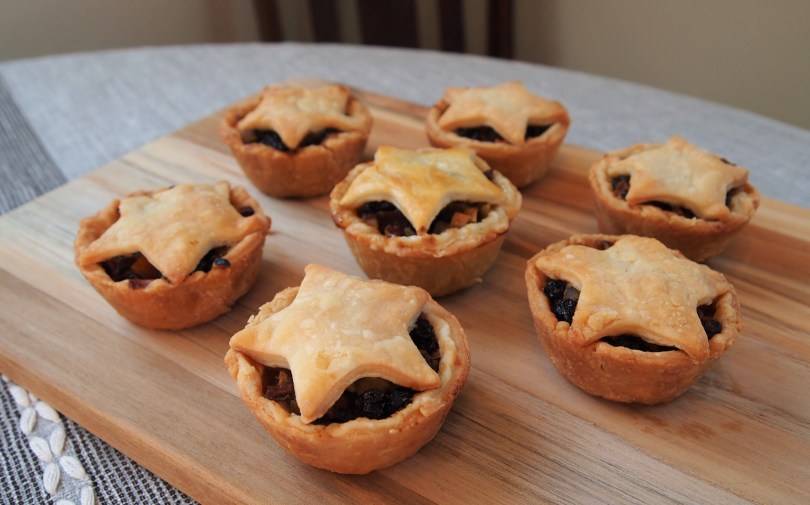
I still remember my first-ever mincemeat pie, served on Christmas Day at the Charles Dickens Museum in London. It tasted warm and Christmas-y, the perfect treat after a cold trek across the city in the snow. Since then, my mind has associated mincemeat pies with a Dickensian, Victorian Christmas – but mincemeat pies actually go back much farther than that.
Read More »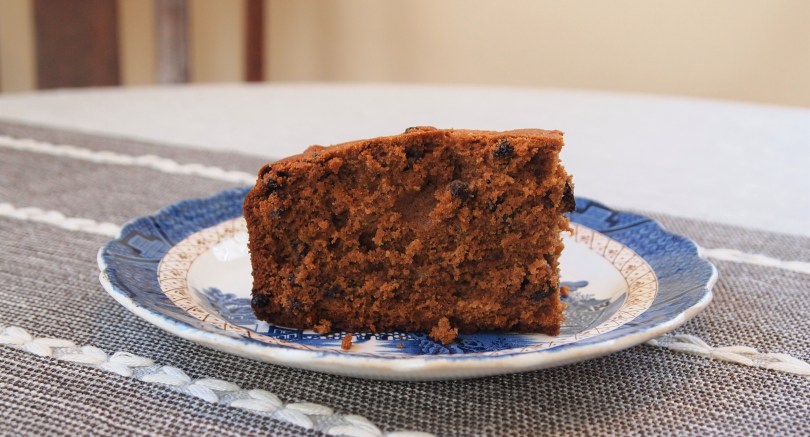
This traditional gingerbread from the town of Fochabers, Scotland, is packed with all sorts of goodies, including fruit, spices, and almonds. The most unusual ingredient, however, is beer.
Read More »
Compared to other 18th century soups, which almost always seem to include some obscure meats or animal parts and take hours to make, this is a relatively easy and inexpensive recipe from Elizabeth Raffald’s 1769 book The Experienced English Housekeeper.
Read More »
Parkin is a type of oatmeal gingerbread traditionally made in northern England for Bonfire Night celebrations on November 5th.
Read More »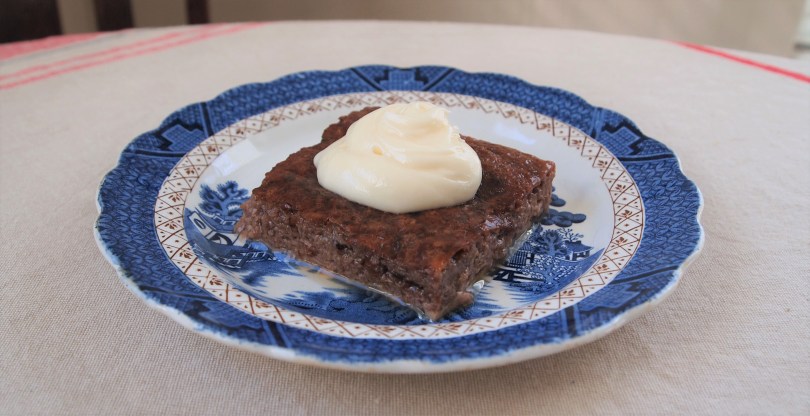
Fannie Merritt Farmer’s The Boston Cooking School Cook-Book was an instant best seller when it was first published in 1896, and remains in print to this day. Called “The Mother of Level Measurements,” Farmer was known for her insistence on accurate measurements, unusual in a time when many recipes used vague quantities such as a “heaping spoonful” or a “handful.”
Read More »
This recipe comes from Patrick Lamb’s 1710 cookbook, Royal Cookery, or the Complete Court-Cook. Patrick Lamb served as the master-cook to a succession of British monarchs, starting with King Charles II in 1683 and ending with Queen Anne in 1708. In addition to recipes, his book provides table layouts for some of the elaborate feasts he served at court – including coronation feasts, which he would have needed to prepare three times over the course of his career for three different monarchs.
Read More »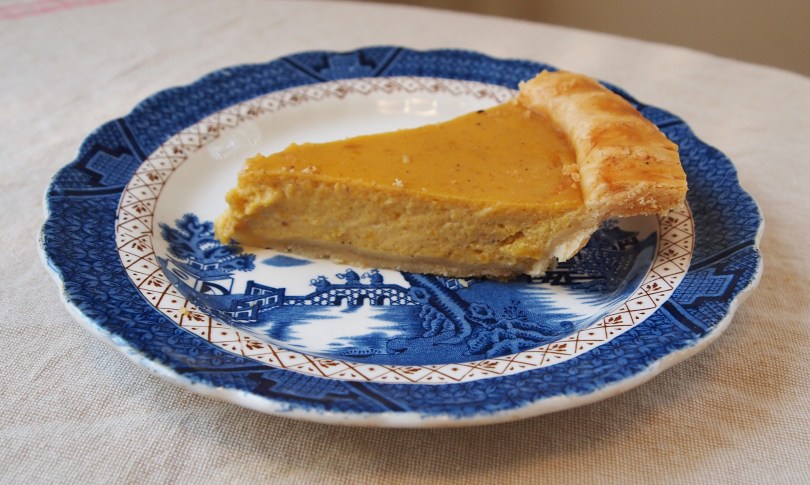
This recipe, one of the first published recipes for pumpkin pie, comes from Amelia Simmons’ 1796 cookbook American Cookery, the first cookbook written by an American to be published in the United States.
Read More »
Madeleines are tiny Genoese sponge cakes that get their distinctive shape from special shell-shaped baking molds. While the exact origin of the name “madeleine” is uncertain, it is known that the little cakes most likely originated in France sometime in the 18th century.
Read More »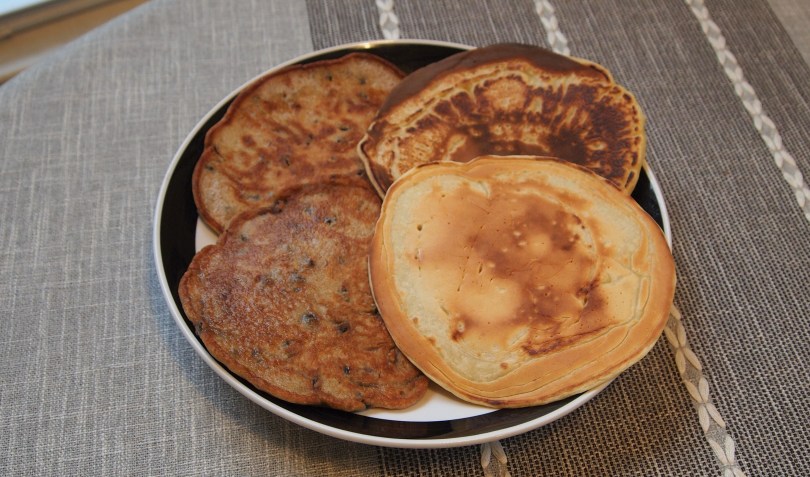
Nearly every culture throughout history has had some form of pancake. After all, food doesn’t get much simpler than cooking batter in a pan. Pancake recipes are often difficult to find in early cookbooks, however; pancakes were so simple and easy to make that the instructions often weren’t written down.
Read More » History in the Making