
I love gingerbread in pretty much any form, and I am beginning to develop a love of steamed puddings – so naturally I had to try this 1875 recipe for a steamed gingerbread pudding.
Read More »
I love gingerbread in pretty much any form, and I am beginning to develop a love of steamed puddings – so naturally I had to try this 1875 recipe for a steamed gingerbread pudding.
Read More »
Historic cookbooks usually include many recipes for preserving fruits and other seasonal produce. This recipe, with pears, apple cider, and spices, is perfect for Fall.
Read More »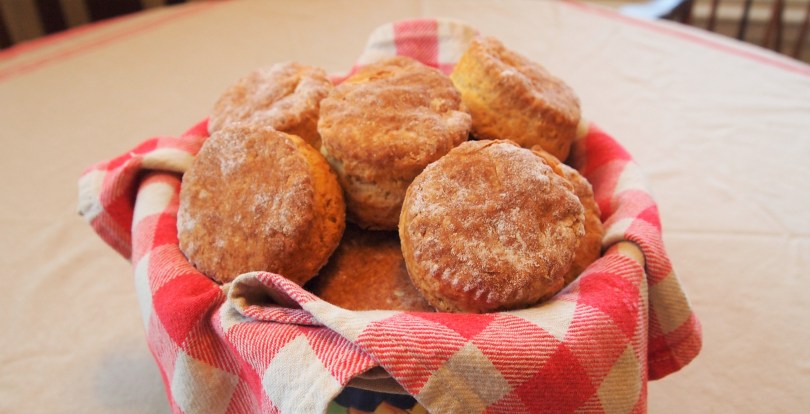
Buttermilk and baking soda biscuits are a classic, and with good reason. The acid in buttermilk reacts with baking soda, producing carbon dioxide gas and giving the biscuits their characteristic puffiness.
Read More »
Lazy Daisy Cake, sometimes also spelled Lazy-Dazy Cake, was a popular recipe in the 1930s. Just by searching in one collection of community cookbooks, I found seven nearly identical versions of the same recipe!
Read More »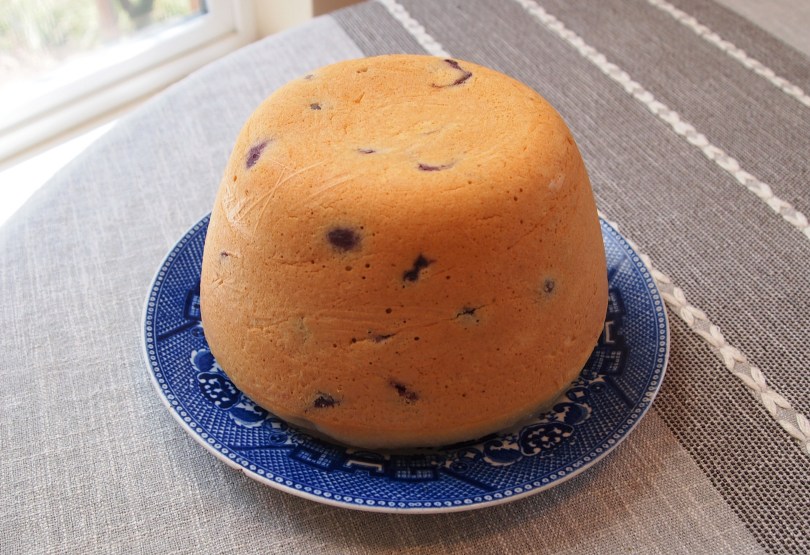
This recipe comes from Sarah Tyson Rorer’s first cookbook, the Philadelphia Cook Book, published a few years after she opened the Philadelphia Cooking School in 1883.
Read More »
This recipe, which can be used for either peach or apple pies, comes from Lettice Bryan’s The Kentucky Housewife, published in 1839. Along with Mary Randolph’s The Virginia Housewife (1824) and Sarah Rutledge’s The Carolina Housewife (1847), The Kentucky Housewife is known as one of the three “southern housewife” cookbooks. These three books are often considered the earliest American regional cookbooks; although they include a variety of recipes, there is a strong focus on “classical” southern cooking.
Read More »
This recipe comes from The Woman Suffrage Cook Book, a fundraising cookbook first sold at the 1886 Woman Suffrage Festival and Bazaar in Boston to raise money for the Massachusetts Woman Suffrage Association.
Read More »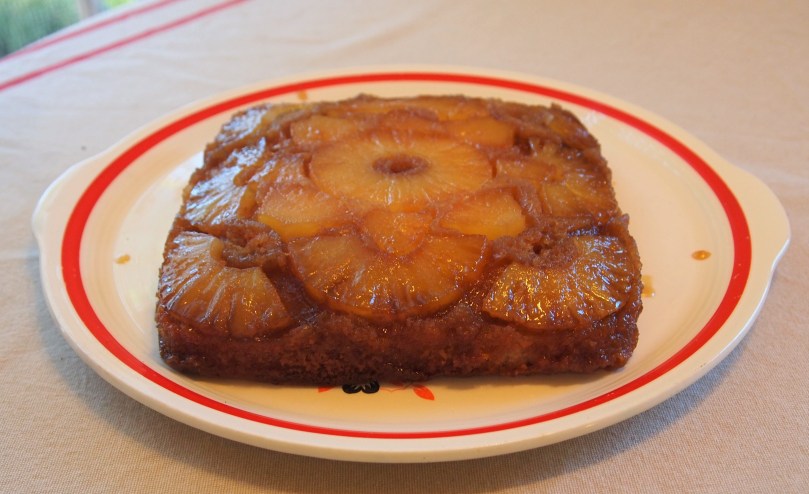
Although canned foods were commercially available in America as early as the 1820s, for many years canned foods were considered tasteless at best, and potentially hazardous at worst. Cooks who did use canned foods were often criticized as being lazy. By the 1930s, however, that reputation had completely reversed, as canning technology improved and efficiency and economy were prized. Cheaper canned goods brought expensive foods such as pineapple within the reach of ordinary Americans. The Good Housekeeping Institute promoted canned foods in quick dishes to make for company, such as in this 1933 recipe for pineapple upside down cake.
Read More »
This super quick, super easy recipe comes from War Economy in Food, a recipe booklet published by the U.S. Food Administration during World War I. The macaroons use oats and corn syrup to reduce the amounts of wheat and sugar used. In addition to saving wheat and sugar, the recipe also saves on time and dishwashing – it only uses one bowl, and only takes about 20-25 minutes from start to finish!
Read More »
For Queen Victoria’s birthday, I decided to try out one of many, many recipes named for her. This recipe for Victoria Buns comes from Isabella Beeton – the same author who published the first known recipe for Victoria sandwiches, a much more famous dish also named after Queen Victoria.
Read More » History in the Making