Broonie

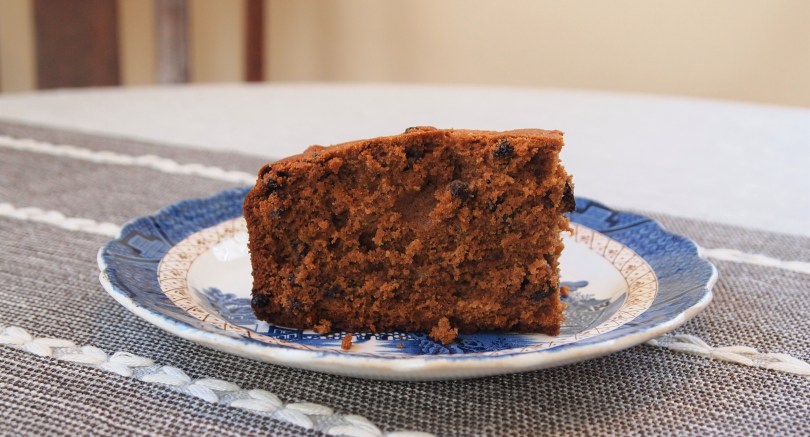
Broonie is a traditional oatmeal gingerbread from the Orkney Islands in Scotland. This particular recipe comes from the folklorist F. Marian McNeill, who collected traditional recipes for her 1929 book The Scots Kitchen. Although she collected recipes from all over Scotland (I made another of her gingerbread recipes in this post), she was born and raised in Orkney, so broonie may have been familiar to her from her childhood.

Read More »
Sour Milk Ginger Bread

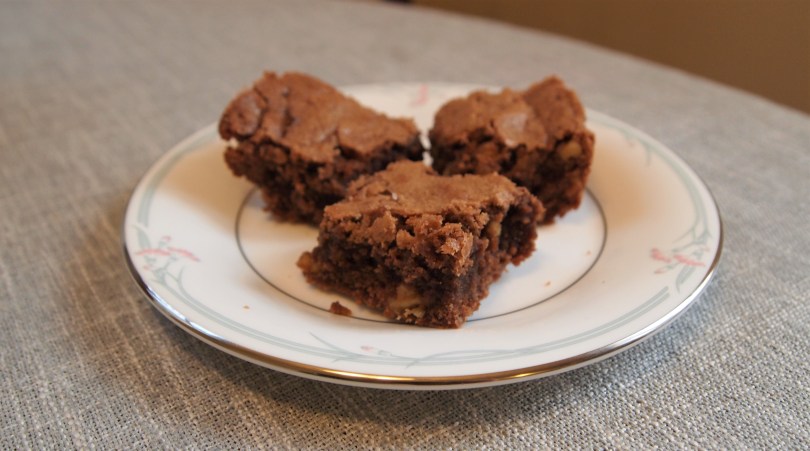
This gingerbread comes from Foods That Will Win the War, a pamphlet and recipe book instructing cooks how to save food during World War I. Although the United States never had official rationing during the first World War, the U.S. Food Administration ran an aggressive propaganda campaign urging Americans not to waste food, especially wheat, meat, fats, and sugar. Gingerbread was perfect for this, since the use of molasses as a sweetener means that it can be made without any added sugar at all.

Read More »

Will Rogers’ Chili and Beans

Will Rogers, the “cowboy philosopher,” was a man of many talents: actor, cowboy, newspaper columnist, and humorist. After settling his family on a ranch in California, he also became a beloved local figure in Beverly Hills; in 1926, he was briefly declared the honorary mayor. Naturally, when the Beverly Hills Woman’s Club produced a community cookbook, they asked him to contribute an introduction. He did – along with two recipes of his own.

Read More »

Cider Punch

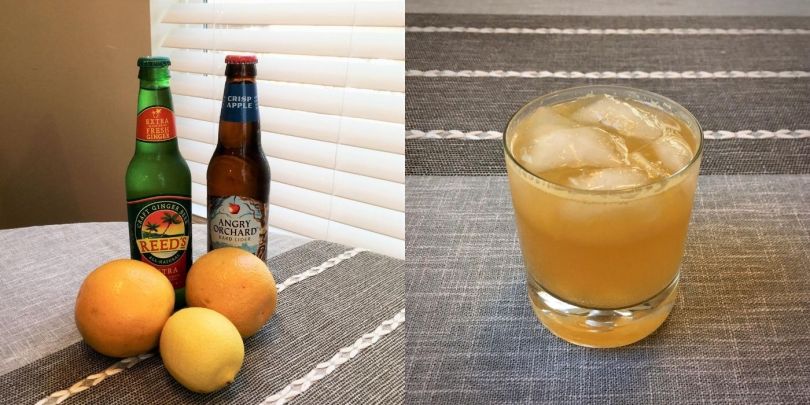
This punch recipe comes from Henrietta Nesbitt’s The Presidential Cookbook: Feeding the Roosevelts and Their Guests. Mrs. Nesbitt served as Franklin and Eleanor Roosevelt’s housekeeper in the White House for 13 years. She writes in her chapter on teas and punches that two hundred guests would be considered a small tea party for Eleanor Roosevelt – many White House teas would include over a thousand guests. “When the guest list reaches the thousand mark…the only solution is fruit punch, and plenty of it.”

Read More »