
This recipe comes from The Woman Suffrage Cook Book, a fundraising cookbook first sold at the 1886 Woman Suffrage Festival and Bazaar in Boston to raise money for the Massachusetts Woman Suffrage Association.
Read More »
This recipe comes from The Woman Suffrage Cook Book, a fundraising cookbook first sold at the 1886 Woman Suffrage Festival and Bazaar in Boston to raise money for the Massachusetts Woman Suffrage Association.
Read More »
Fruit vinegars, also known as shrubs, were a popular way to conserve fruit in the 19th century. This version comes from Catharine Beecher, an educator, writer, and social activist, and older sister of Harriet Beecher Stowe.
Read More »
For Queen Victoria’s birthday, I decided to try out one of many, many recipes named for her. This recipe for Victoria Buns comes from Isabella Beeton – the same author who published the first known recipe for Victoria sandwiches, a much more famous dish also named after Queen Victoria.
Read More »
Victorian cooks hated to waste food, and had all sorts of creative ways to use up leftovers. This super simple one-sentence recipe is an excellent way to use up leftover sponge cake (or, in my case, to use up a failed pound cake that didn’t rise properly. It’s not a failure if you can turn it into something else!). It works on the same principle as a custard-based bread pudding, just using cake instead of bread.
Read More »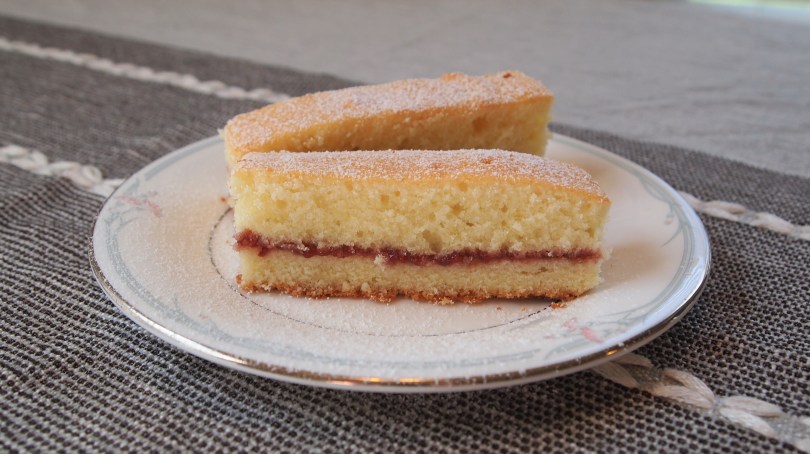
Victoria sandwich, also known as Victoria sponge, was named after Queen Victoria (naturally) and is still a popular British cake to this day. This is the earliest known recipe for Victoria sandwiches, from Isabella Beeton’s 1861 cookbook The Book of Household Management.
Read More »
Macaroons are small, delicate biscuits made with almonds, sugar, and egg whites – not to be confused with sandwich-cookie style macarons, which weren’t invented until the 1930s. The original macaroons date back to at least the 14th or 15th centuries. Throughout the 18th and 19th centuries, they were usually served with wine or liquor as a light refreshment, or crushed and used in trifles or other desserts. They could come in several different flavors, but most commonly were made with either rose water or orange-flower water, as in this Regency era version.
Read More »
The earliest brownies, like this recipe from Fannie Merritt Farmer’s 1896 The Boston Cooking-School Cook Book, contained no chocolate whatsoever.
Read More »
Fanchonettes are a type of French tart, traditionally topped with meringue. This recipe comes from Charles Elmé Francatelli, who most likely learned how to make them when he was training under Antonin Carême, a famous French chef at the time. The 1836 English translation of Carême’s books, French Cookery, contains a similar recipe for fanchonettes, which can be flavored with vanilla, almonds, coffee, currants, pistachios, hazelnuts, or apricots. I chose to make Francatelli’s version, however, because his fanchonettes are made with chocolate – my favorite.
Read More »
These cute little pastries are another recipe from Charles Elmé Francatelli, who was briefly the personal chef to Queen Victoria. I can definitely picture the queen snacking on these!
Read More »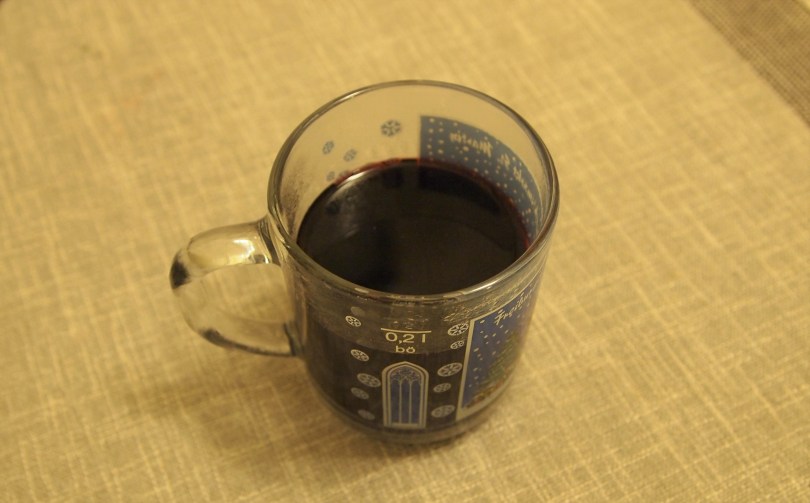
“ ‘He has given us plenty of merriment, I am sure,’ said Fred, ‘and it would be ungrateful not to drink his health. Here is a glass of mulled wine ready to our hand at the moment; and I say, “Uncle Scrooge!”…a Merry Christmas and a Happy New Year to the old man, whatever he is!’ ” -Charles Dickens, A Christmas Carol, 1843.
Read More » History in the Making