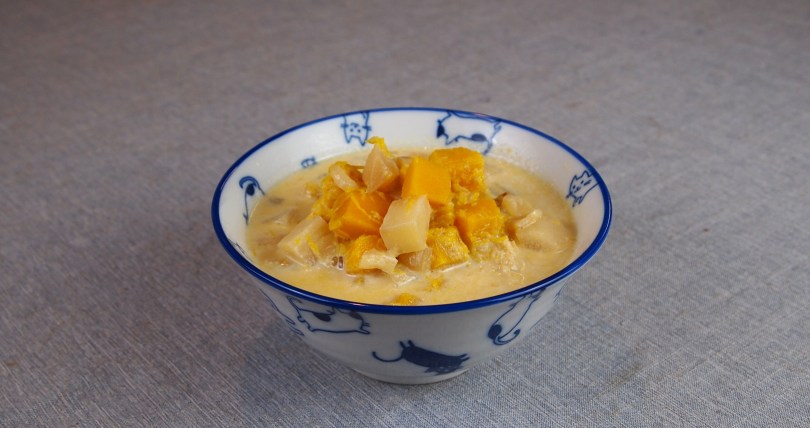
Pumpkin Soup

This recipe comes from Vegetable Cookery, one of the earliest completely vegetarian cookbooks. It was first published in periodical form in 1812, then went on to be published as a book. This recipe comes from the fourth edition published in 1833. Since the word “vegetarian” wasn’t popularized until the 1850s, Vegetable Cookery doesn’t actually use that term and refers to a “vegetable diet” instead.

Read More »

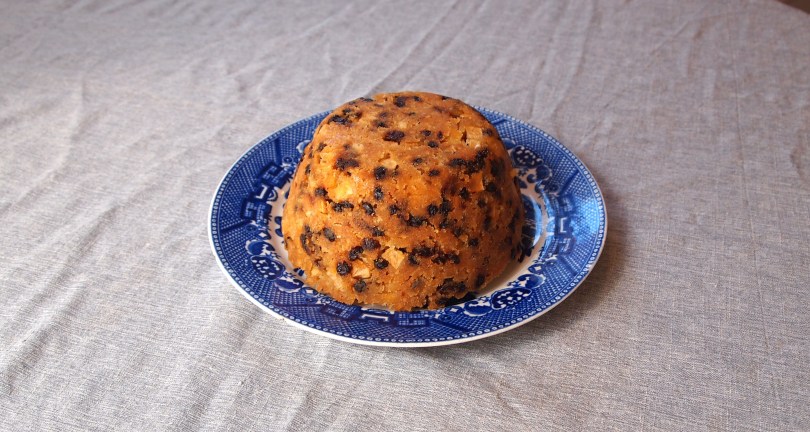
Her Majesty’s Pudding

Once again, for Queen Victoria’s birthday on May 24, I am continuing my tradition of making a recipe named after her (ok, so this one isn’t named “Victoria,” but “her majesty” is definitely referring to her). The long-reigning queen inspired many recipe-writers during the 19th century; see here for other recipes I’ve made that were named after or affiliated with her. This one comes from one of my favorite Victorian cookbooks, Eliza Acton’s 1845 Modern Cookery In All Its Branches.

Read More »

American Temperance Beverage

This recipe comes from Martin Luther Holbrook’s 1888 book Eating for Strength, a book designed to promote what the author considered healthy eating and drinking habits. A physician and health reformer, Holbrook believed that avoiding meat and stimulants such as alcohol and tobacco was essential to good health. His book provides a variety of vegetarian and alcohol-free recipes such as this one, alongside the latest “scientific” nutrition advice of the day.

Read More »

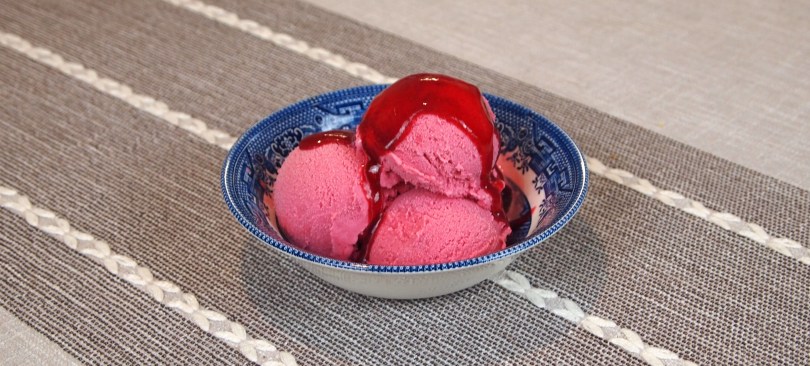
Plum Cream Ice

This Victorian ice cream recipe comes from Agnes Marshall, sometimes known as the “Queen of Cream” for her contributions to ice cream. In addition to publishing books of recipes, Agnes Marshall ran a cooking school, edited a weekly magazine, marketed and sold foodstuffs and kitchenware, and even designed some of her own equipment such as ice cream freezers.

Read More »

Eve’s Pudding

This recipe comes from Catherine Dickens, the wife of Charles Dickens. While her husband is better known for his writing career, Catherine Dickens made her own foray into authorship with the cookbook What Shall We Have for Dinner?. The book was first published sometime before 1851 (the date of the first edition is unknown), and was reissued in several revised editions over the next few years. Catherine published her book under what is probably the best pseudonym ever – Lady Maria Clutterbuck – the name of the character she had portrayed in an amateur theatrical production of the play Used Up.

Read More »

A Cheap Seed Cake

“It was the pleasantest tea-table in the world. Miss Clarissa presided. I cut and handed the sweet seed-cake — the little sisters had a bird-like fondness for picking up seeds and pecking up sugar; Miss Lavinia looked on with benignant patronage, as if our happy love were all her work; and we were perfectly contented with ourselves and one another.”

-Charles Dickens, David Copperfield, 1850.

Read More »

Pumpkin Cakes

One of my favorite things about fall is cooking with pumpkin – whether it’s pumpkin pies, pumpkin cakes, or pumpkin sauces, I will pretty much try anything with pumpkin in it. As a result, I almost always have small amounts of leftover pumpkin purée sitting around. This recipe for pumpkin cakes, from Lettice Bryan’s 1839 book The Kentucky Housewife, is just the ticket to use up any pumpkin remnants. Although they are baked in an oven instead of on a griddle, these are very similar to hoe-cakes or pancakes; Lettice Bryan includes them in the chapter “Warm Cakes &c. for Breakfast and Tea.”

Read More »

Brown Betty

Betties are part of the group of baked-fruit-with-topping dishes (along with cobblers, crisps, crumbles, slumps, etc.), which I can never seem to tell apart from one another. After comparing Apple Betty recipes in multiple 19th and 20th century cookbooks, it seems like the distinguishing feature of a Betty is multiple layers of breadcrumbs alternating with the fruit – although there were a few exceptions that used cubes or slices of bread instead. This recipe from 1866 makes a pretty standard Apple Betty. No measurements are given in the original; I have provided the amounts I used for a 1.5 quart baking dish, but since precise measurements don’t matter it can be easily adapted for other sizes.

Read More »